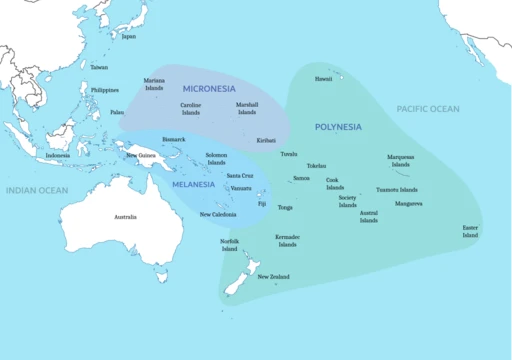
Elephant Island

via Wikipedia: Elephant seal · see source
- location
- Southern Ocean, off the coast of Antarctica
- area_claims
- Antarctic claims of Argentina, Chile and the United Kingdom
Lore & Background
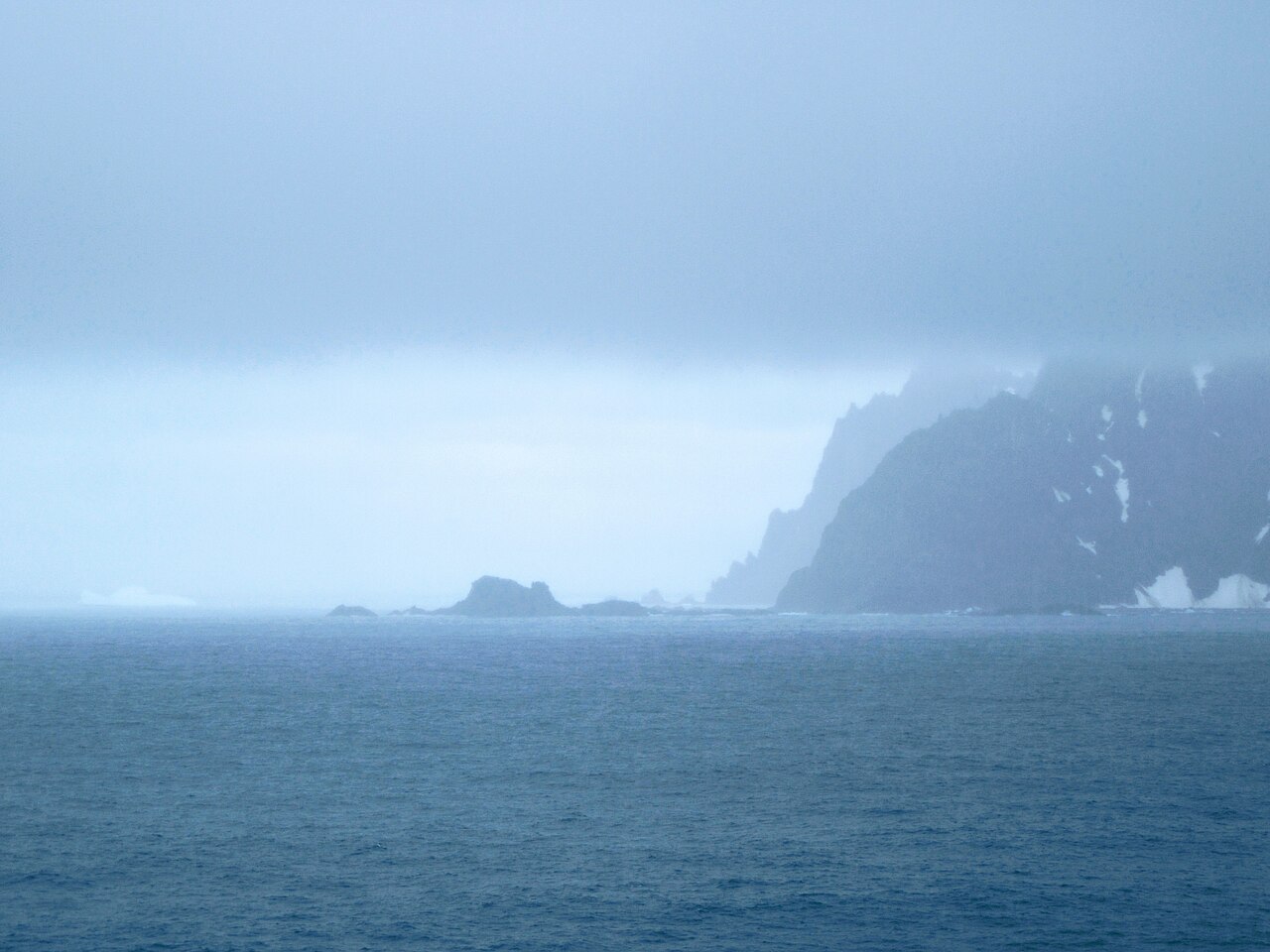
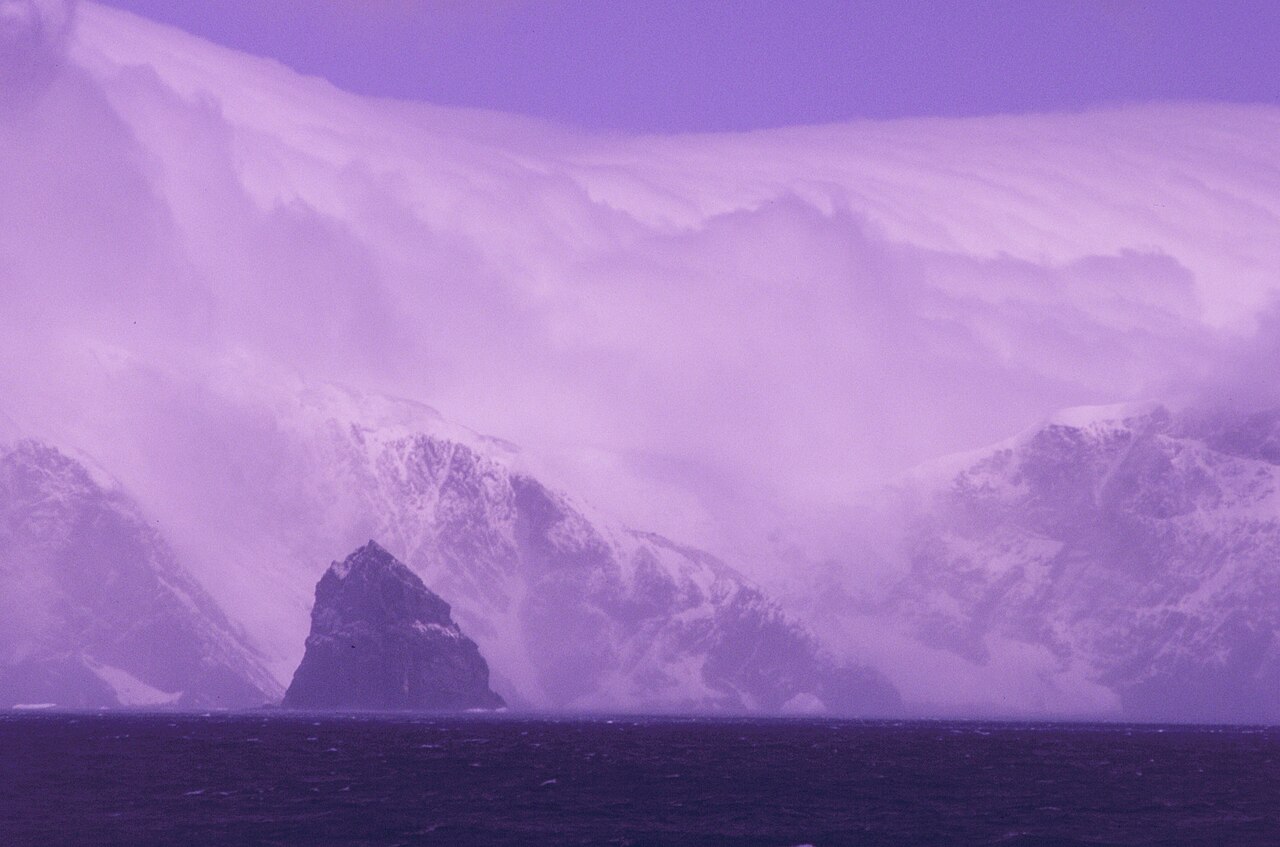
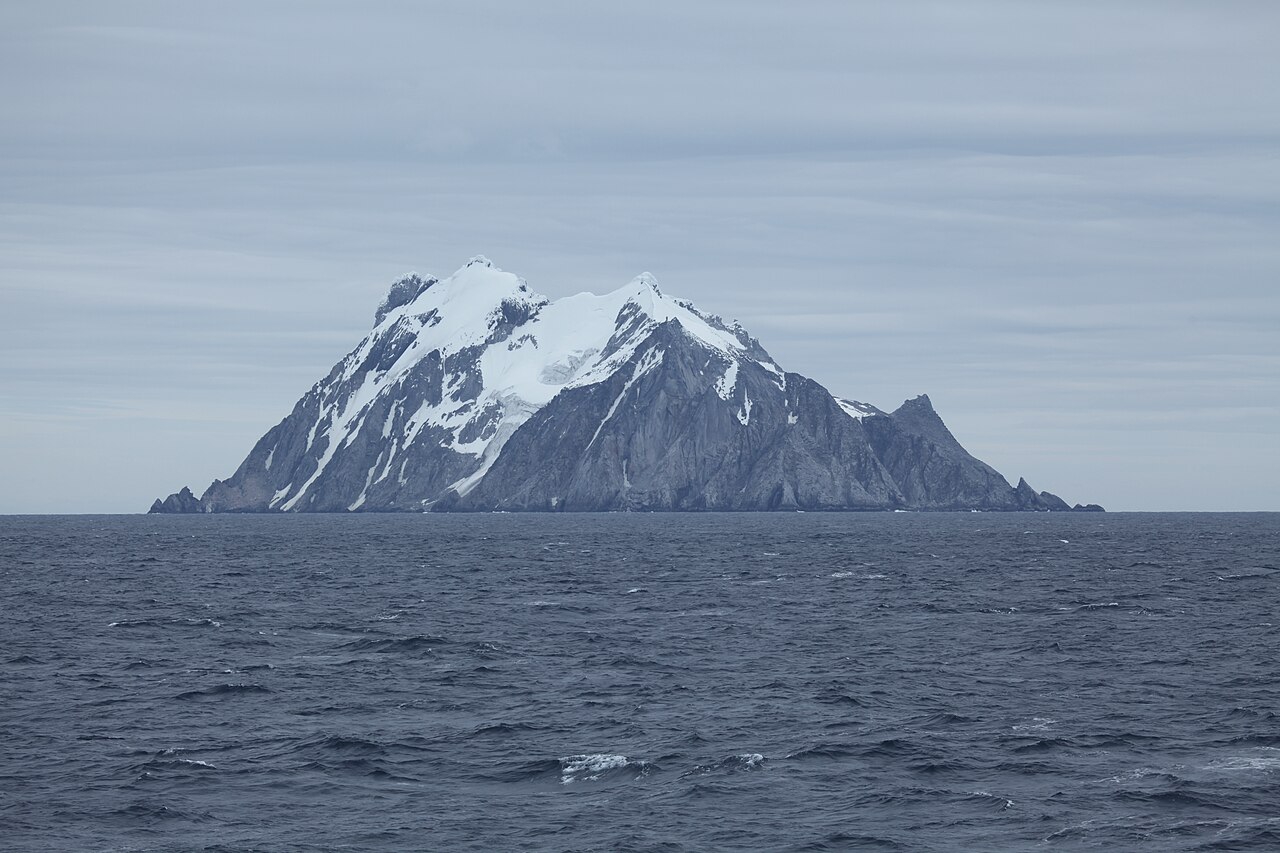
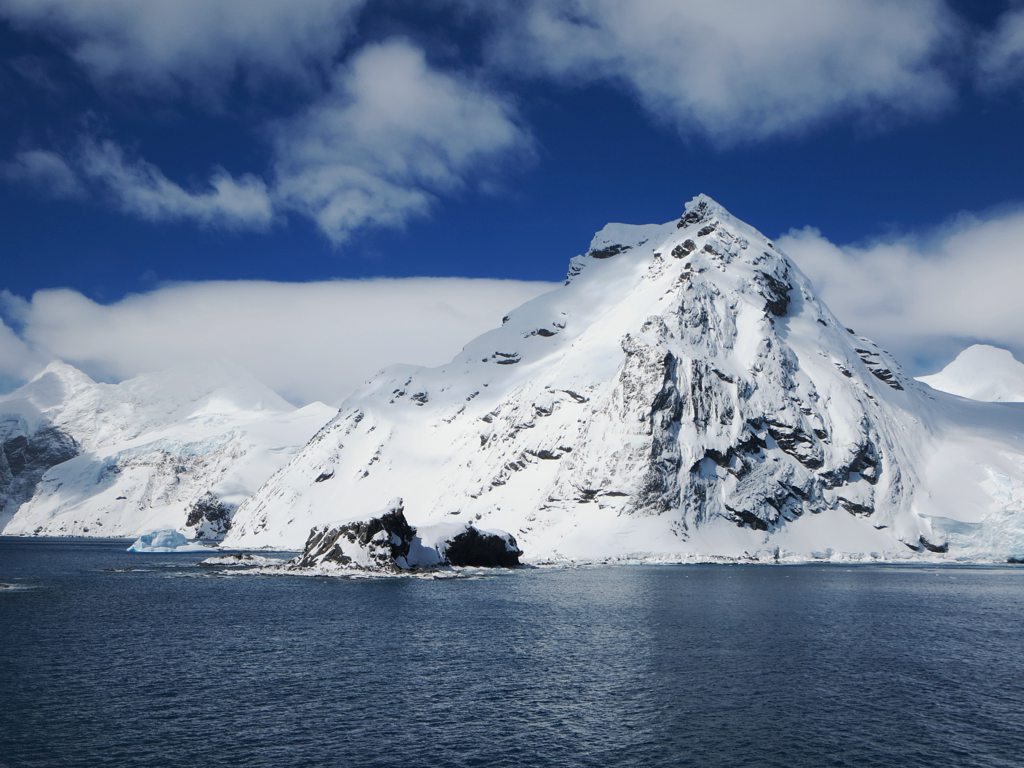
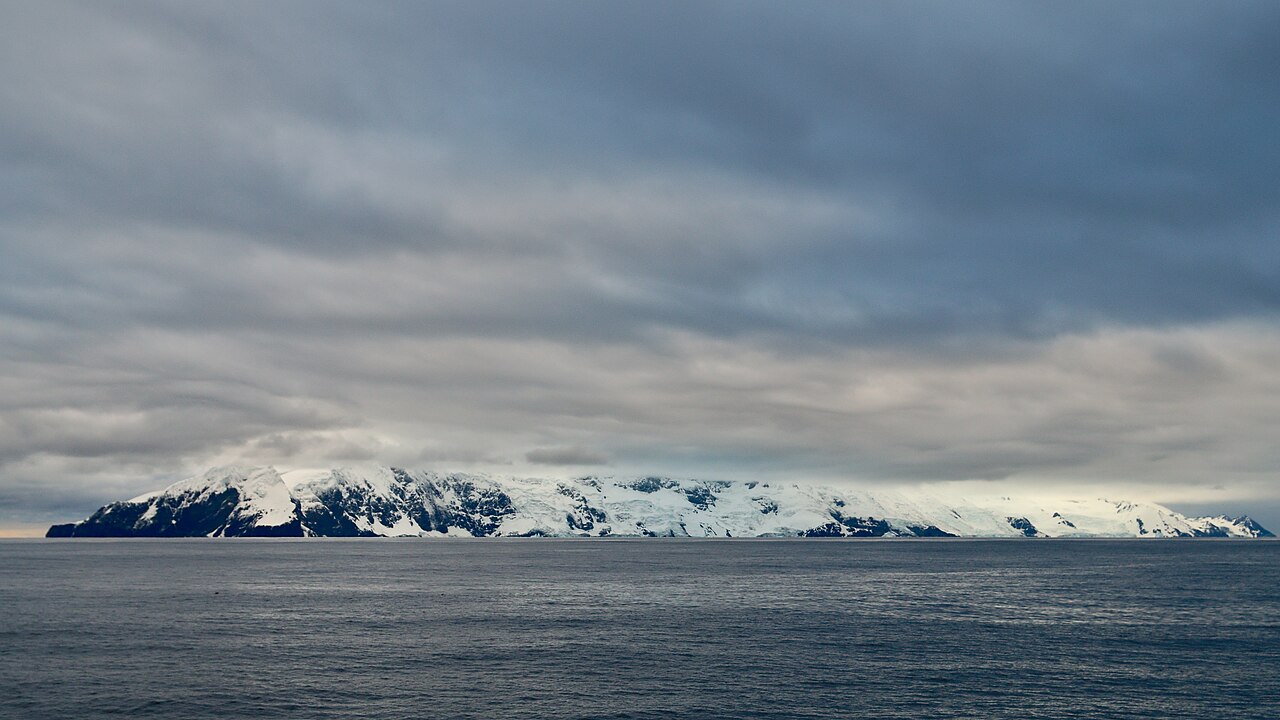
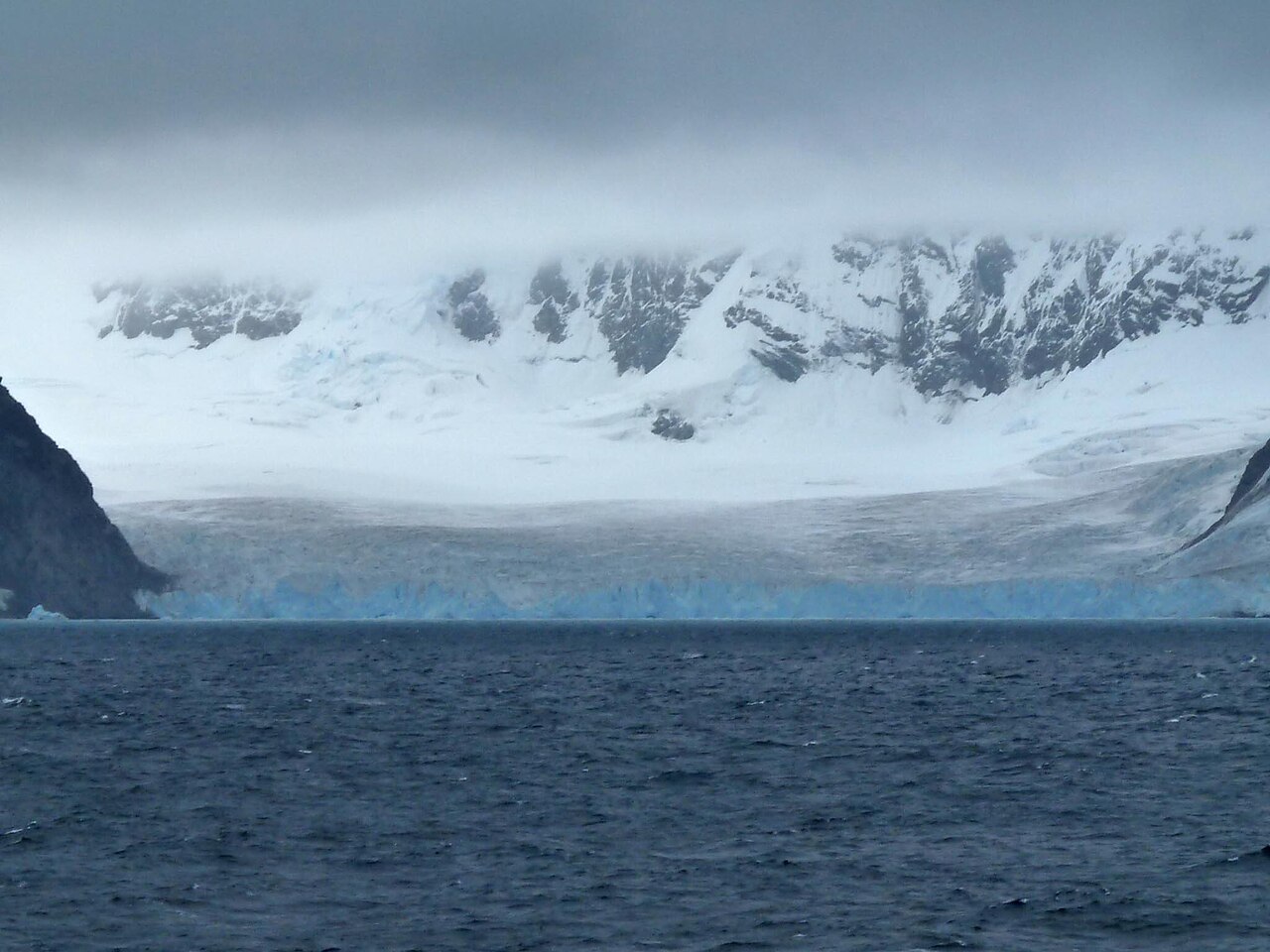
The island is part of the Scotia metamorphic complex, with rocks including phyllites, blueschists and greenschists, and is the type locality for the phosphate mineral spheniscidite. The island is barren, supporting no native terrestrial flora or fauna, but seasonal colonies of chinstrap, gentoo and macaroni penguins congregate there, along with Antarctic fur seals, leopard seals and southern elephant seals.
Reader's Guide
Elephant Island holds significance primarily as the site of one of the most dramatic survival stories in Antarctic exploration. The island is also notable for its geology, being part of the Scotia metamorphic complex with rocks similar to those of coastal California, and for being the type locality of the mineral spheniscidite. Its wildlife includes seasonal penguin colonies and seals, though past illegal whaling has affected whale populations.
Did You Know?
- The island is the type locality for the phosphate mineral spheniscidite.
- The Brazilian Antarctic Program maintains a shelter on the island called Goeldi.
Physical Form and the Iconic Proboscis
The elephant seal holds the title of the largest species among all true seals, and the contrast between the sexes is staggering. Adult males can tower over their counterparts by a factor of ten in body mass, with southern bulls typically measuring around five metres and three thousand kilograms, while some extraordinary individuals stretch to six metres and four tonnes. Females, by comparison, hover near three metres and nine hundred kilograms. The feature that gives the animal its common name is the bulbous, trunk-like proboscis of the adult male, a secondary sexual characteristic that has long captured the public imagination. Early naturalists assumed the inflated nose served as a megaphone for vocal displays, but modern understanding reveals a far more practical role. The proboscis is riddled with internal cavities that function as a moisture-reclaiming system, reabsorbing water from the seal's own exhalations. This adaptation proves critical during the breeding season, when bulls remain ashore for extended periods without access to fresh water and must conserve every drop of body moisture to survive.
Diving Mastery and Ocean Life
Elephant seals are creatures of the deep, spending roughly ninety percent of their existence beneath the waves. They routinely cover distances of one hundred kilometres in a single day as they range across open ocean in pursuit of prey. Their diving capabilities are extraordinary: they can remain submerged for over one hundred minutes, a record unmatched by any non-whale mammal. While their average dive plunges to three or six hundred metres, the deepest recorded descents reach nearly two and a half kilometres for a southern individual and over one and a half kilometres for a northern one. Between dives, they surface for mere minutes to rest. Their menu includes skates, rays, squid, octopuses, eels, small sharks, and large fish, and their stomachs often contain swallowed stones called gastroliths. The physiological machinery behind these feats is remarkable. Elephant seals carry an unusually large blood volume, possess expanded abdominal sinuses for blood storage, and maintain elevated myoglobin concentrations in their muscles. Together with a high proportion of oxygen-carrying red blood cells, these traits allow them to endure the crushing pressures and oxygen-poor conditions of the deep.
Taxonomy and Ancient Origins
The scientific lineage of the elephant seal traces back to 1827, when the British naturalist John Edward Gray formally established the genus Mirounga. The name itself is a Latinized rendering of miouroung, a term reportedly used for the animal in an Australian Aboriginal language, though the specific language in question has never been identified. Within the broader classification, elephant seals belong to the family Phocidae, the earless or true seals, and the clade Pinnipedia, a name derived from Latin meaning feather- or fin-footed. Unlike their eared-seal cousins, phocids lack external ear structures and possess reduced limbs that trade terrestrial agility for hydrodynamic efficiency. Their hind flippers, broad and flat, serve as powerful paddles in the water but cannot be rotated forward for walking on land. Fossil evidence places the origins of elephant seals in the Pacific Ocean during the Pliocene epoch. The oldest unambiguous remains come from fragmentary specimens in the late Pliocene Petane Formation near Kaiwaka in Hawke's Bay, New Zealand. Older Miocene teeth once attributed to the genus in South Africa have since been reclassified as likely misidentified odontocete material.
From the Brink to Recovery: Conservation and Colonies
By the close of the nineteenth century, both elephant seal species had been driven to the very edge of extinction by commercial hunting for lamp oil. The recovery that followed stands as one of marine conservation's more dramatic success stories, with populations rebuilding from those dire lows. Today, the two species occupy distinct but extensive ranges. The northern elephant seal patrols the Pacific coasts of the United States, Canada, and Mexico, with its most northerly breeding site at Race Rocks Marine Protected Area near the southern tip of Vancouver Island. The southern elephant seal frequents islands and coastlines across the Southern Hemisphere, including South Georgia, Macquarie Island, New Zealand, Tasmania, South Africa, and Argentina's Peninsula Valdés. A modest colony of roughly one hundred and twenty animals persists at Jackson Bay in Admiralty Sound on Tierra del Fuego. Both species breed annually and show a strong fidelity to established colony sites. During molting season, when their blubber-protected skin sheds in large patches and must be regrown, seals haul out onto land, with northern males typically molting in June and July and females in April and May.
Gallery
Frequently Asked Questions
What happened on Elephant Island in 1916?
After their vessel Endurance was lost, explorer Ernest Shackleton and his crew used the island as a desperate refuge for several months before mounting a daring rescue effort that ultimately saved the entire party.
Which countries claim Elephant Island?
The island falls within the overlapping Antarctic territorial claims of Argentina, Chile, and the United Kingdom.
More in Islands Of The Pacific 1-19
Spotted an error? Know more?
This is a living reference — every entry is fact-audited, and reader corrections feed straight into our audit queue. Suggest an edit · See this site's audit record